Latex, derived from natural or synthetic sources, offers a unique blend of responsiveness, durability, and buoyant support. In the context of sleep-related products, latex materials provide consistent spinal alignment while reducing motion transfer. This section highlights how latex shapes comfort, breathability, and long-term performance through key properties like elasticity, density, and open-cell structure.
Organic latex and latex foam variants are valued for their hypoallergenic composition and durability. The category emphasizes core features such as antimicrobial appeal, natural resilience, and temperature neutrality. Understanding density, ILD ratings, and ventilation helps identify suitable options for different sleeping styles and preferences, including side, back, and stomach sleepers.
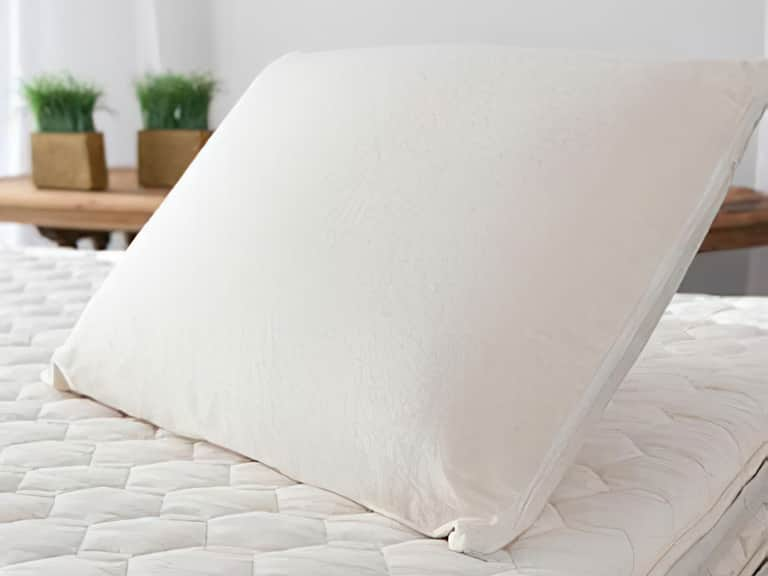
Within the latex category, specific product types such as latex pillows demonstrate how material choice influences neck support, pressure relief, and edge-to-edge consistency. For example, latex soap-shaped pillows blend ergonomic contouring with stable loft, supporting proper spinal alignment while maintaining a comfortable, responsive surface under varied head positions.
Care considerations for latex items influence longevity and performance. Proper care includes cleaning guidance, moisture management, and protection to preserve loft and resilience. Natural latex often withstands regular use, while understanding cover fabrics, removable cases, and gentle maintenance helps extend the functional life of bedding components like pillows and mattresses.
Key uses of latex in bedding span comfort layering, support symmetry, and breathable comfort. The materials’ elasticity adapts to movement, reducing micro-adjustments during sleep and promoting restful cycles. Features such as soap-shaped pillow design, memory foam interactions, and compatibility with sheets and other bedding emphasize the role of latex in an informed sleep environment.
 Bedding