A Practical Guide to Choosing Organic Mattresses: Materials, Comfort, and Longevity
A thoughtful, evidence-based exploration of natural fillings, certifications, and care practices that help you select a mattress built for health, comfort, and lasting value.
Why choose organic? The premise and the payoff
In an era where sleep quality is increasingly linked to overall well-being, the mattress you lie on matters as much as the environment in which you sleep. An organic mattress is more than a buying trend; it is a commitment to materials and processes that minimize chemical exposure, prioritize sustainable farming practices, and support long-term durability. The core appeal of organic mattresses lies in two intertwined goals: comfort that adapts to your body and a construction that reduces irritants while promoting a healthier sleep ecosystem.
When you examine an organic mattress, you are not simply evaluating a surface to rest on. You are assessing a system—one that intertwines the choice of filling, the nature of the cover, the foundation on which it rests, and the way the product is produced and certified. The result should be a sleeping surface that feels right, maintains its shape, regulates temperature, and remains inert to ordinary household environmental factors.
Materials matter: common organic fillings and what they feel like
Organic mattresses typically rely on natural, chemical-free materials. The most common fillings include natural latex, organic cotton, and wool. Each of these materials brings a distinct balance of support, contouring, temperature regulation, and durability.
- Natural latex (Dunlop and Talalay): Latex is celebrated for its responsive yet resilient feel. Dunlop latex tends to be a bit firmer and denser, while Talalay latex is often lighter and more yielding. Organic latex is usually certified for purity and free from synthetic additives, delivering consistent support that adapts to body contours. For spinal alignment, a latex core can provide excellent pressure relief and zone-specific support, especially when layered with other natural materials.
- Organic cotton: Cotton is prized for breathability, durability, and a crisp, clean feel. Organic cotton used in mattress covers and batting minimizes chemical exposure and often serves as the outer protective layer, helping regulate moisture and contribute to a cooler sleep surface.
- Wool: Wool is valued for temperature regulation and moisture-wicking properties. It acts as a natural insulator, keeping warmth in cooler seasons and allowing breathability when the environment is warmer. Wool also has a natural flame-retardant quality when used in appropriate, certified configurations, reducing the need for synthetic flame retardants in the core layer.
Some organic mattresses blend these materials to exploit their complementary strengths. A typical setup might feature a latex core for support and resilience, encased in organic cotton and wool layers that promote comfort and regulate temperature. The precise layering and density determine feel—from plush to medium-firm—so buyers can align a mattress with their sleeping position, weight, and personal preferences.
Certifications to look for: evidence you can trust
Certifications are a practical shortcut for validating the organic claims of a mattress. Reputable certifications attest to fiber content, processing methods, and absence of harmful substances. While the precise standards may vary, several certifications are widely recognized for their rigor and independence.
- GOTS (Global Organic Textile Standard): Evaluates organic content in textiles, including fibers used in the cover and any fabric components. It emphasizes environmentally and socially responsible manufacturing practices.
- OEKO-TEX Standard 100 or higher: Focuses on human-ecological safety of textiles, testing for harmful substances and ensuring a safe sleeping environment.
- GREENGUARD Gold: Indicates low chemical emissions, contributing to better indoor air quality and a healthier bedroom environment.
- Other region-specific or brand-backed certifications: Some brands pursue additional certifications or traceability programs to ensure fiber provenance and ethical sourcing.
When evaluating a mattress, cross-check the certifications listed by the manufacturer. Certifications provide a framework for comparing products that otherwise might seem similar. They help you assess how much of the product is truly organic, what finishes or treatments are used, and whether the claims withstand independent verification.
How to test organic comfort and durability in-store and at home
Comfort and durability are not abstract qualities; they are experienced. A well-informed shopping experience involves both hands-on testing and a critical assessment of the mattress’s materials and construction.
- In-store testing: Spend time lying in different sleeping positions. Pay attention to pressure points, spinal alignment, and how the surface responds as you change positions. If possible, request different firmness configurations or layer adjustments to simulate the experience of an adjustable or layered latex mattress.
- At-home testing: Take advantage of trial periods. A substantial trial window allows you to assess long-term performance, temperature regulation, and how the mattress holds its shape with regular use. Note changes in posture, sleep quality, and any moisture or heat buildup.
- Firmness and support: For many organic mattresses with latex or spring components, firmness is not a single number. Instead, consider how the layers combine to support the torso and maintain neutral spinal alignment. Side sleepers often benefit from a surface that cushions the shoulders and hips, while back and stomach sleepers may prioritize more uniform support across the torso.
- Temperature regulation: Wool and latex combinations tend to promote airflow and moisture management, but climate and bedding choices matter. Layering with breathable organic cotton covers and appropriate sheets enhances the surface feel and helps keep nighttime temperatures comfortable.
For readers who prefer structure, a simple quick-start checklist can guide decisions:
- Identify priority materials: latex, wool, cotton, or blends, and how they influence feel and temperature.
- Check certifications and fiber content disclosures for transparency.
- Evaluate the mattress’s layering and density to match your sleep position and body type.
- Consider the foundation or base compatibility, especially if choosing an adjustable frame or a specialized platform.
- Review the warranty and return policy to understand durability expectations and post-purchase support.
Care, durability, and longevity: preserving an organic investment
A mattress is a long-term commitment, and proper care can significantly extend its life. Organic materials deserve similar stewardship to maintain performance and comfort. A few practical guidelines help safeguard your investment without compromising the integrity of the materials.
- Follow manufacturer care directions: Covers, toppers, and protectors designed for organic mattresses often require specific washing and drying methods. Adhere to cleaning instructions to prevent fabric damage or moisture buildup that could compromise materials.
- Use appropriate foundations: A rigid, supportive base or a platform designed for latex or hybrid constructions maintains even surface support and helps prevent sagging. Adjustable bases can be compatible with many latex systems, but confirm compatibility with the mattress’s layers.
- Protect the surface with breathable covers: Organic cotton encasements or wool-backed protectors can help regulate microclimate and guard against stains or allergens without introducing synthetic irritants.
- Rotate strategically where recommended: Some layered latex systems benefit from controlled rotation or layer exchanges offered by certain brands. This feature can extend the life of the latex layers and preserve the intended feel over time.
A mindful approach to care not only preserves the mattress but also reinforces a healthier sleep environment. By choosing organic materials and supporting practices that limit chemical exposure, you participate in a broader ecosystem of sustainable, well-being-focused living.
A note on products available: selected items that exemplify organic comfort
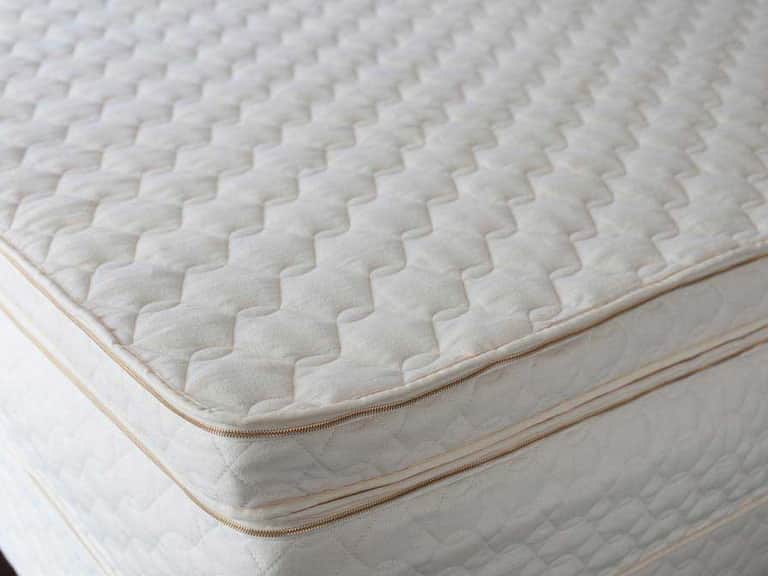
Within this site’s curated catalog, specific products embody the principles of organic design and thoughtful construction. The Savvy Rest Unity Pillowtop Latex Mattress represents a refined approach to layering natural latex with an organic outer casing, delivering a plush feel with customizable firmness by layer. Its combination of Dunlop latex core and Talalay topper, wrapped in certified organic cotton, emphasizes a responsive yet luxurious sleeping surface tailored for comfort seekers who value customization and organic credentials.
The Unity Pillowtop’s structure—comprising multiple latex layers and an organic cotton cover—illustrates how organic materials can be orchestrated to achieve targeted comfort while maintaining a robust warranty and a collaborative, consumer-centric purchase experience. This design philosophy aligns with the broader guide’s emphasis on materials, certification, and long-term durability.
For readers curious about extendable customization, note that some toppers and mattress systems are designed to interoperate with foundation options and adjustable bases, enabling a broad spectrum of comfort adjustments without sacrificing the organic integrity of the primary mattress components.
If you are exploring options beyond the Unity Pillowtop, the catalog includes other organic configurations that illustrate the same principles: natural latex cores, wool or cotton fiber layers for flame retardancy and moisture management, and covers crafted from organic fabrics—each chosen to maximize comfort while staying faithful to organic standards.
The key takeaway is that quality organic mattresses are a balance of feel, durability, and safety. By prioritizing certified materials and transparent construction, you can invest in a sleep surface that supports healthy rest, aligns with environmental values, and endures through years of nightly use.
Bottom line: making an informed choice for organic sleep
Organic mattresses offer a compelling path toward better sleep health, thanks to natural materials, transparent certifications, and thoughtful design. The journey from materials to longevity is not simply a sequence of product features; it is a disciplined approach to constructing a sleep environment that aligns with a holistic sense of well-being.
When evaluating an organic option, prioritize three pillars: material integrity, credible certification, and practical durability. How the layers interact to provide support, pressure relief, and temperature regulation will define your nightly experience. The right organic mattress should feel comfortable from the first night and continue to deliver consistent performance as the years pass.
The pursuit of better sleep is ongoing, and organic options offer a meaningful way to minimize exposure to potentially irritants while supporting sustainable production practices. With careful research, informed testing, and an emphasis on transparency, you can choose a mattress that harmonizes with your body, your bedroom, and your values.
Further reading and resources
For readers who wish to deepen their understanding of organic sleep products, consult independent consumer guides, sleep science literature, and the certification bodies that oversee textile and mattress standards. Cross-referencing certifications with product disclosures helps ensure that your final selection aligns with both comfort and health goals.
This guide draws on the broader themes of organic materials, sleep science, and consumer education—themes that remain essential to making informed, satisfying, and long-lasting mattress choices.
Related products from our curated catalog
- Savvy Rest Unity Pillowtop Latex Mattress — An example of an organic, layered latex mattress built to deliver plush surface comfort with customizable firmness.
- Savvy Rest Harmony Latex Topper — A topper that complements latex systems by adding a tailored layer of softness or support, wrapped in organic cotton and wool.